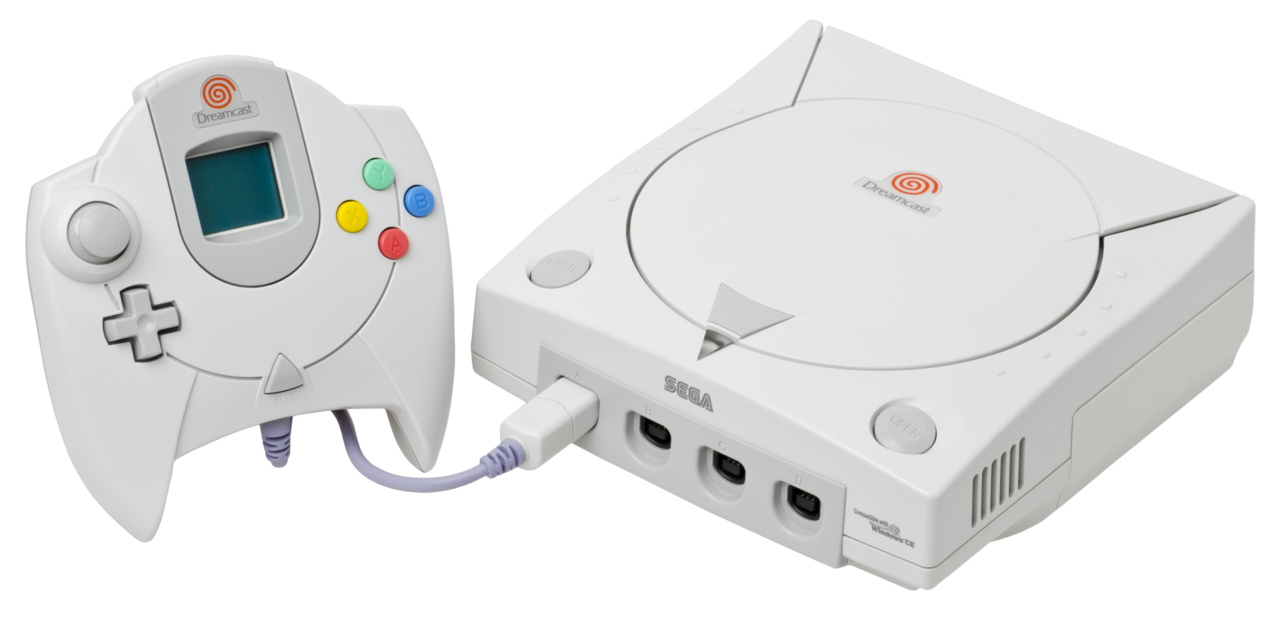
Sega Dreamcast
- Manufacturer
- Sega
- Production
- 1999–2002
- Generation
- Gen 6
- Type
- Home
- Launch price
- $199
- Media
- Disc
- Units sold
- 9.1M
About Sega Dreamcast
The Dreamcast is the final home video game console manufactured by Sega. It was released in Japan on November 27, 1998, and worldwide in late 1999. It succeeded the Sega Saturn and was the first sixth-generation console, preceding Sony's PlayStation 2, Nintendo's GameCube, and Microsoft's Xbox.
Source: Wikipedia (text under CC BY-SA 4.0).
Library & collector facts
620licensed games
- North America: 247
- Japan: 610
- PAL: 290
Release timeline
- 🇯🇵 Japan
- November 27, 1998
- 🇺🇸 North America
- September 9, 1999
- 🇪🇺 Europe / PAL
- October 14, 1999
- 🇦🇺 Australia
- November 30, 1999
- Lifespan
- 3 years on market
Pricing
Launch price (1999)
- 🇺🇸 USD
- $199
- 🇯🇵 JPY
- ¥29,000
- 🇬🇧 GBP
- £200
Launch titles & exclusives
Sonic Adventure · Soul Calibur · Power Stone · Hydro Thunder · NFL 2K · Mortal Kombat Gold · Ready 2 Rumble Boxing · Blue Stinger · TrickStyle · Pen Pen TriIcelon (JP launch) · House of the Dead 2 · Tokyo Xtreme Racer
None standard; many launch bundles included Sonic Adventure
Shenmue I & II · Jet Set Radio · Skies of Arcadia · Phantasy Star Online (the first mainstream console MMO) · Crazy Taxi · Power Stone 1 & 2 · Soul Calibur · Marvel vs Capcom 2 · Capcom vs SNK 2 · Project Justice / Rival Schools 2 · Bangai-O · Ikaruga (JP, the legendary shmup) · Border Down · Under Defeat · Cannon Spike · Resident Evil Code: Veronica · Grandia II · Record of Lodoss War · Space Channel 5 1 & 2
NHL 2K2 (2002, NA) was the final Sega-published NA game; JP indie releases continued for years (Karous, Trigger Heart Exelica, last commercial title widely cited as 'Karous' 2007)
Cannon Spike CIB (~$400+); Bangai-O sealed; JP shmup limited editions like Karous (~$200+); 4 Wheel Thunder; Heavy Metal Geomatrix sealed (~$300+)
Hardware specs
- Cpu
- Hitachi SH-4
- Gpu
- NEC PowerVR2 @ 100 MHz
- Sound
- Yamaha AICA @ 67 MHz with ARM7 CPU, 64 channels
- Weight
- 1.5 kg (3.3 lb)
- Dimensions
- 190 × 78 × 195.8 mm
- Display Output
- Composite video, Composite, RF modulator, SCART, S-video, VGA
Hardware revisions
- Original Dreamcast (HKT-3000 JP / HKT-3020 NA)(1998)
original launch hardware, GD-ROM (Sega's proprietary 1.2GB format), built-in 56K modem (broadband adapter sold separately), VMU (Visual Memory Unit) memory cards with their own LCD screen
- Various minor regional revisions and a black 'R7' JP release(the only consequential hardware revision was a fan-bracket variant addressing original fan-noise complaints)
Launch colorways & special editions
- Sakura Taisen 4 Special Limited (JP)
- Limited blue/red/black/clear DC variants (JP retailer)
- Hello Kitty Edition (pink, JP-only, ~$500+ CIB)
- Sports Edition (NA, with sports games bundled)
- R7 Edition Black (rare JP)
Modding scene
- Difficulty
- soft-mod
- Custom firmware
- DreamShell (homebrew OS); BootDreams; GDEMU (ODE); USB-GDROM
Reception & legacy
Strong launch — 9/9/99 NA launch broke single-day sales records ($98M day-one); critical reception ecstatic for graphics, controller, and online play
Sega's withdrawal from console hardware (March 2001 official announcement) shocked the industry — the platform was discontinued before its 3rd anniversary; Sega's debt from Saturn and 32X compounded; PS2 hype (announced 1999, launched 2000) effectively starved the Dreamcast of holiday-1999 mindshare
First console with built-in online play; first console MMO (Phantasy Star Online); the platform Sega died on but is universally remembered fondly — its short-lived library is considered one of the most artistically rich in console history; Dreamcast indie scene remains active 25+ years later
References
More from Sega
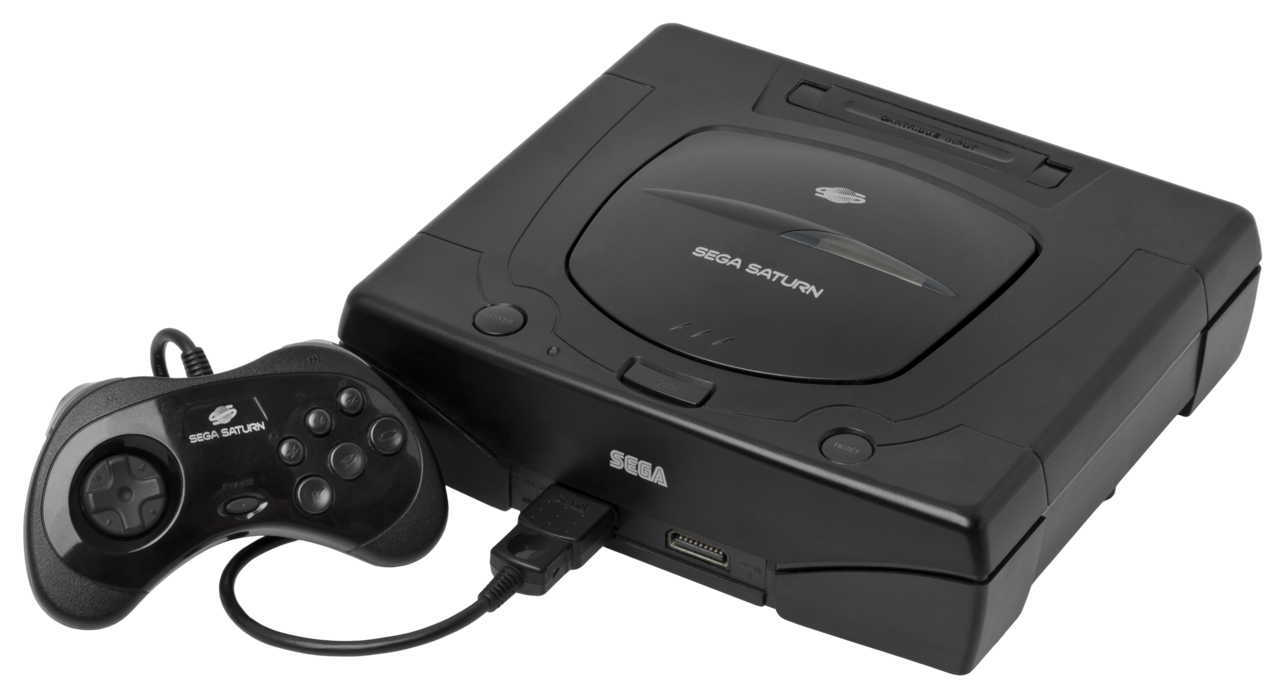
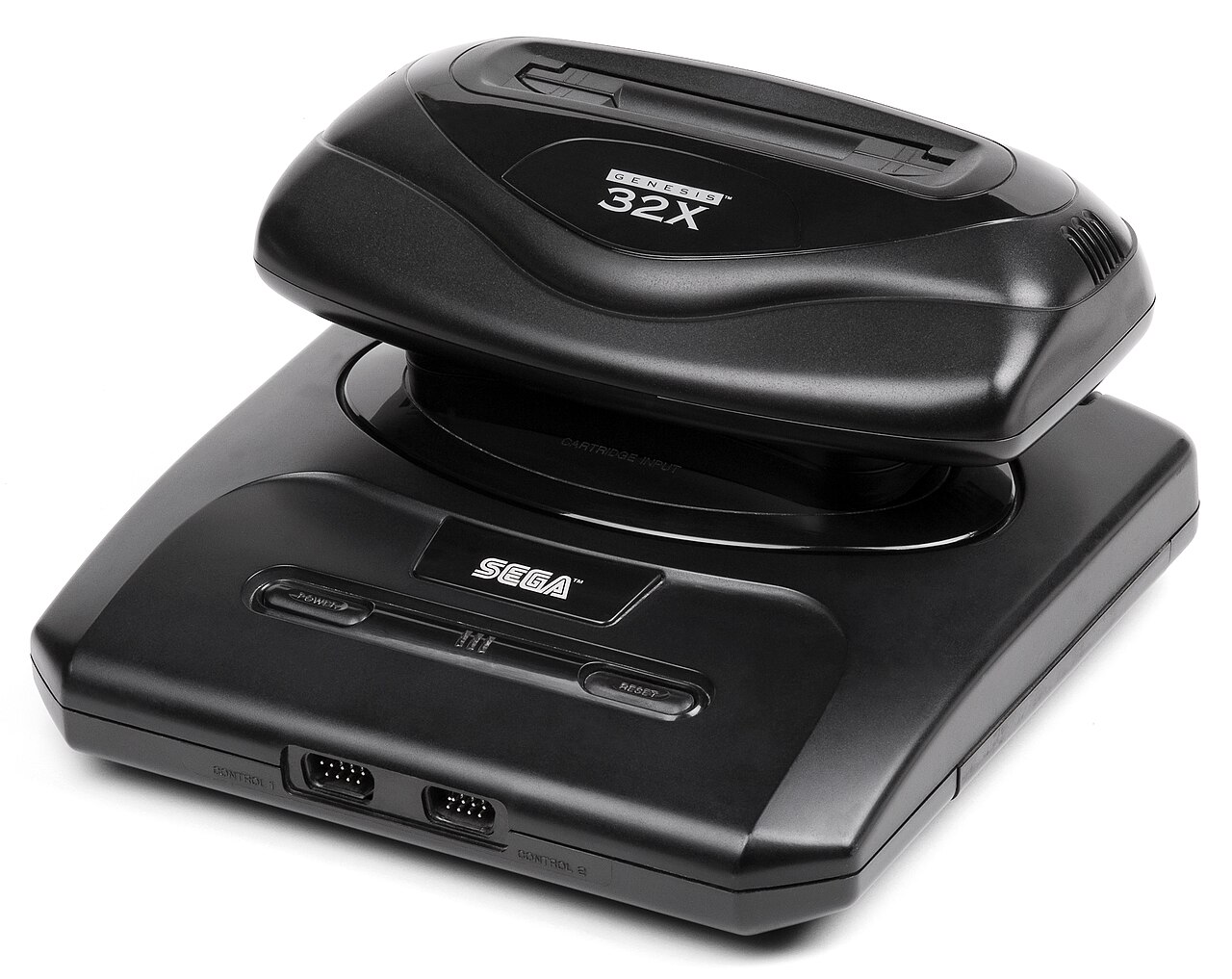
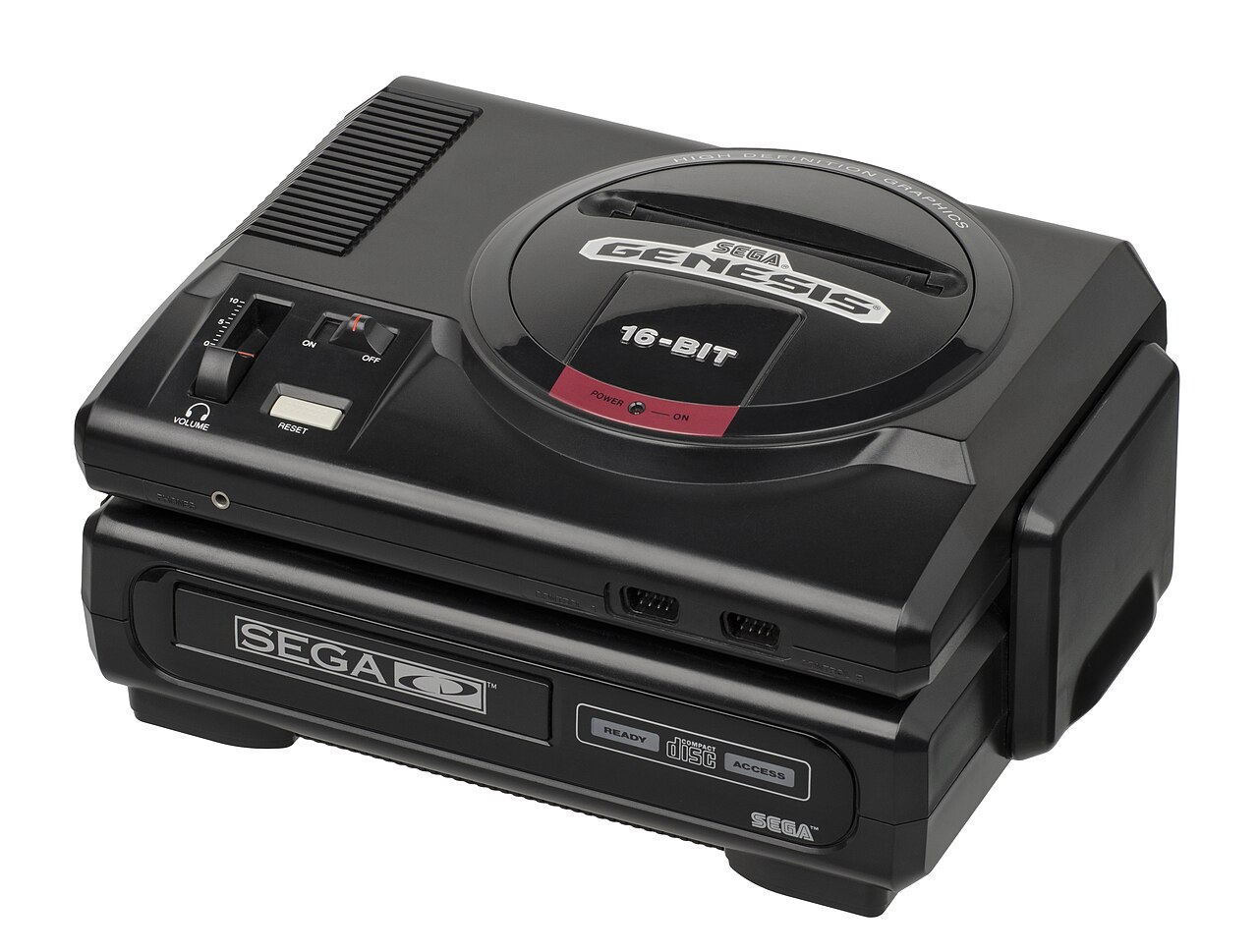
No Sega Dreamcast listings yet. List yours or browse similar items.
Sega Dreamcast in the news
Recent coverage mentioning the Sega Dreamcast, gathered from 80+ gaming-news sources.
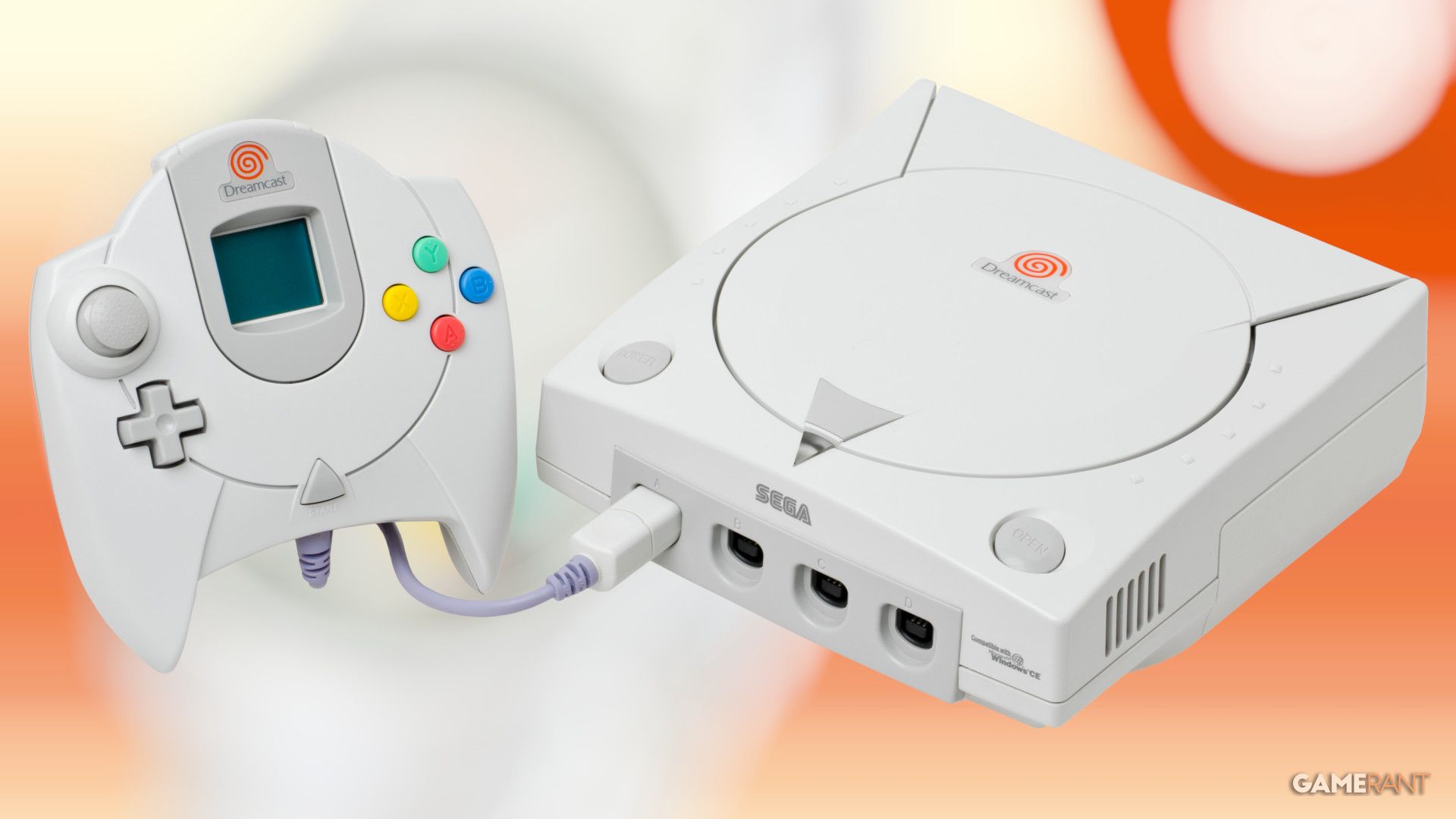
New Official Dreamcast and Sega Saturn Releases Confirmed
With the 30th anniversary of the Sega Dreamcast not too far off, new releases for both the Sega Dreamcast and the Sega Saturn are revealed.
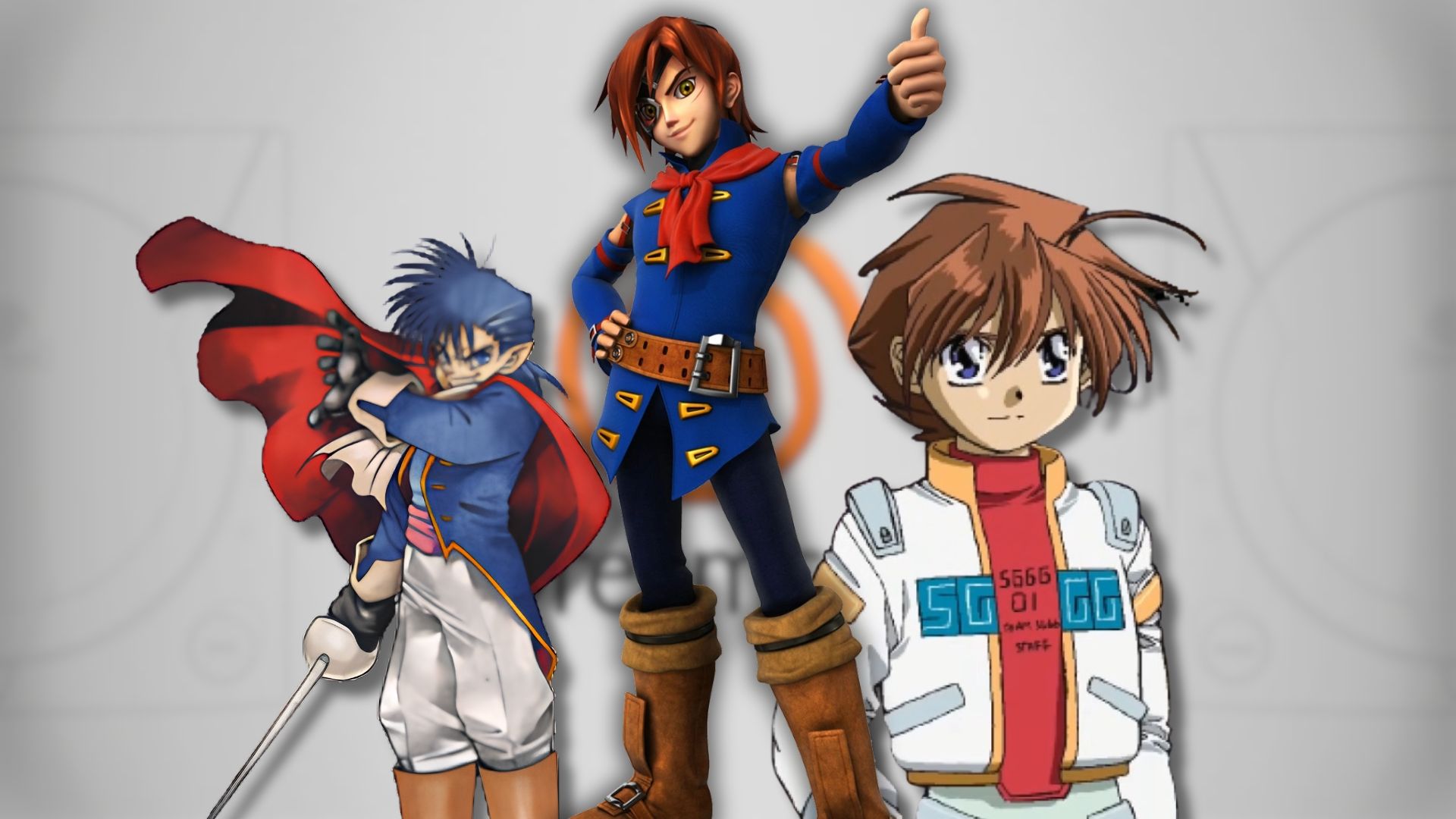
9 Hard to Beat Sega Dreamcast JRPGs
There aren't a lot of truly challenging JRPGs on the Dreamcast, but what's there ranges from the aging to the impossible.
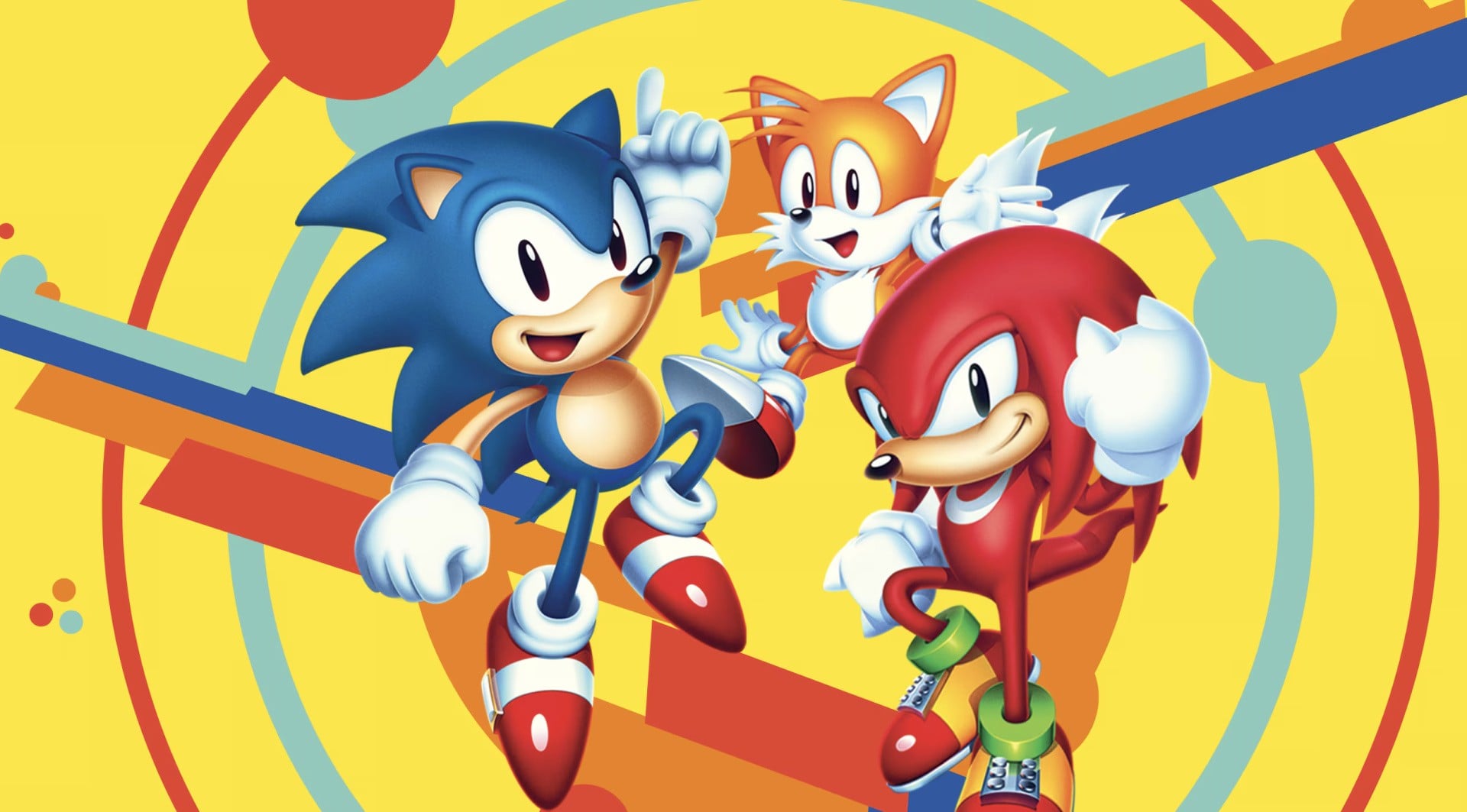
Sonic Mania's Unofficial Dreamcast Port Isn't Out Yet, But It's "Functionally There"
"It might be a little while before it's released for real". There seems to be some confusion in the Sega Dreamcast community recently after a video surfaced claiming that the long-awaited unofficial port of Sonic Mania had been released. The port, developed by SonicFreak94, Falco Girgis, and...
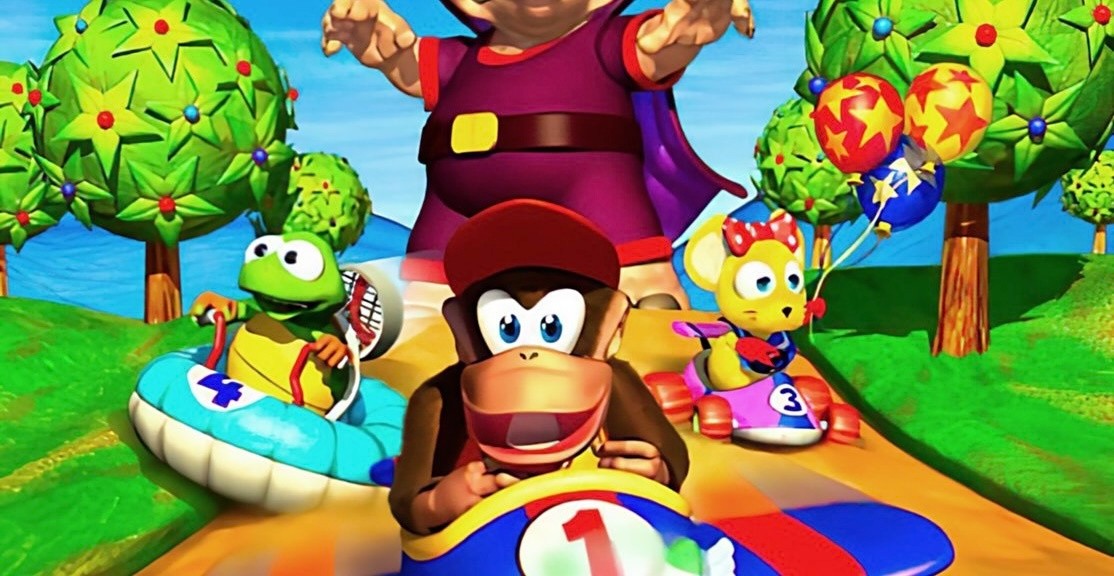
"All I Know Is I Want To Do This Game Justice" - Diddy Kong Racing Is The Latest N64 Classic Making The Jump To Dreamcast
Unofficially, of course! One of the stranger (yet not entirely unwelcome) trends of recent years has been the gradual increase in native ports of N64 titles to the Sega Dreamcast, offering people a brand new way to experience Nintendo's classics on Sega hardware. In the past, for instance, we've...
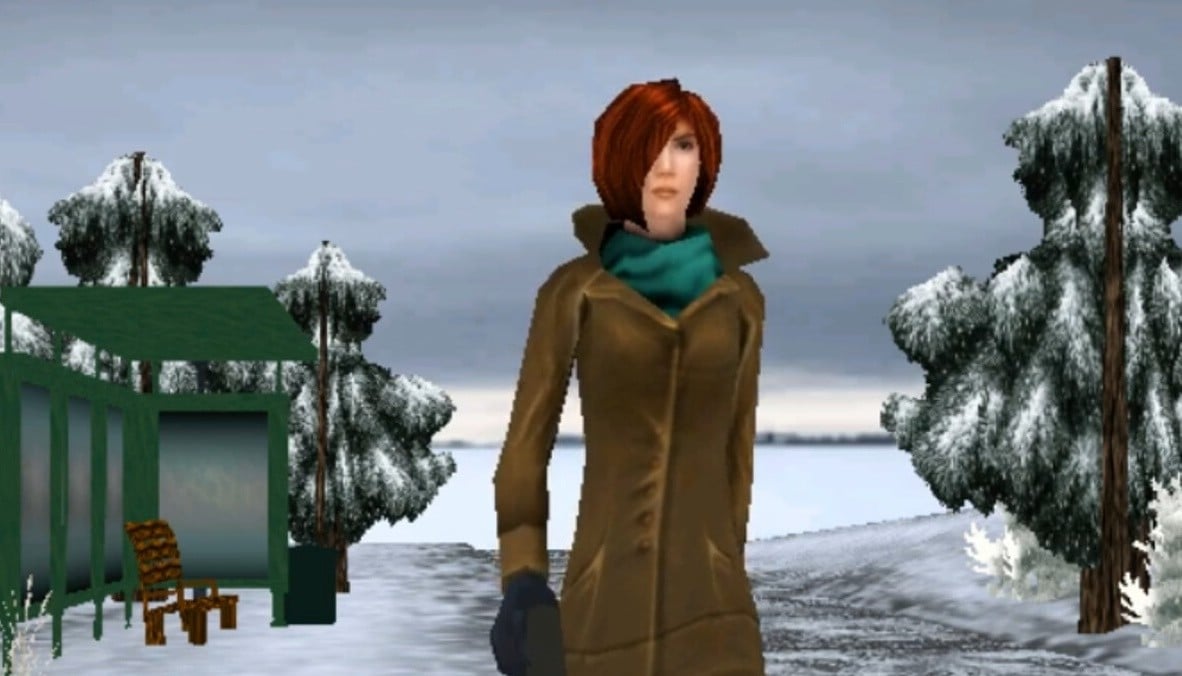
The Sega Dreamcast Is Getting A New Resident Evil & D2-Esque Survival Horror Game
White Creek is a new game from Storybird Studio. While most people tend to associate survival horror with the original PlayStation console, thanks to it being the first console to introduce players to titles like Resident Evil and Silent Hill, if you were a fan of the genre in the early 2000s, it's...
24 Years Later, The SEGA Dreamcast Is Getting A New Game
The SEGA Dreamcast spelled the end of SEGA's console era, but its own lifespan still isn't truly over. While major publishers abandoned the system decades ago, smaller developers have revisited it repeatedly for some interesting Dreamcast releases.