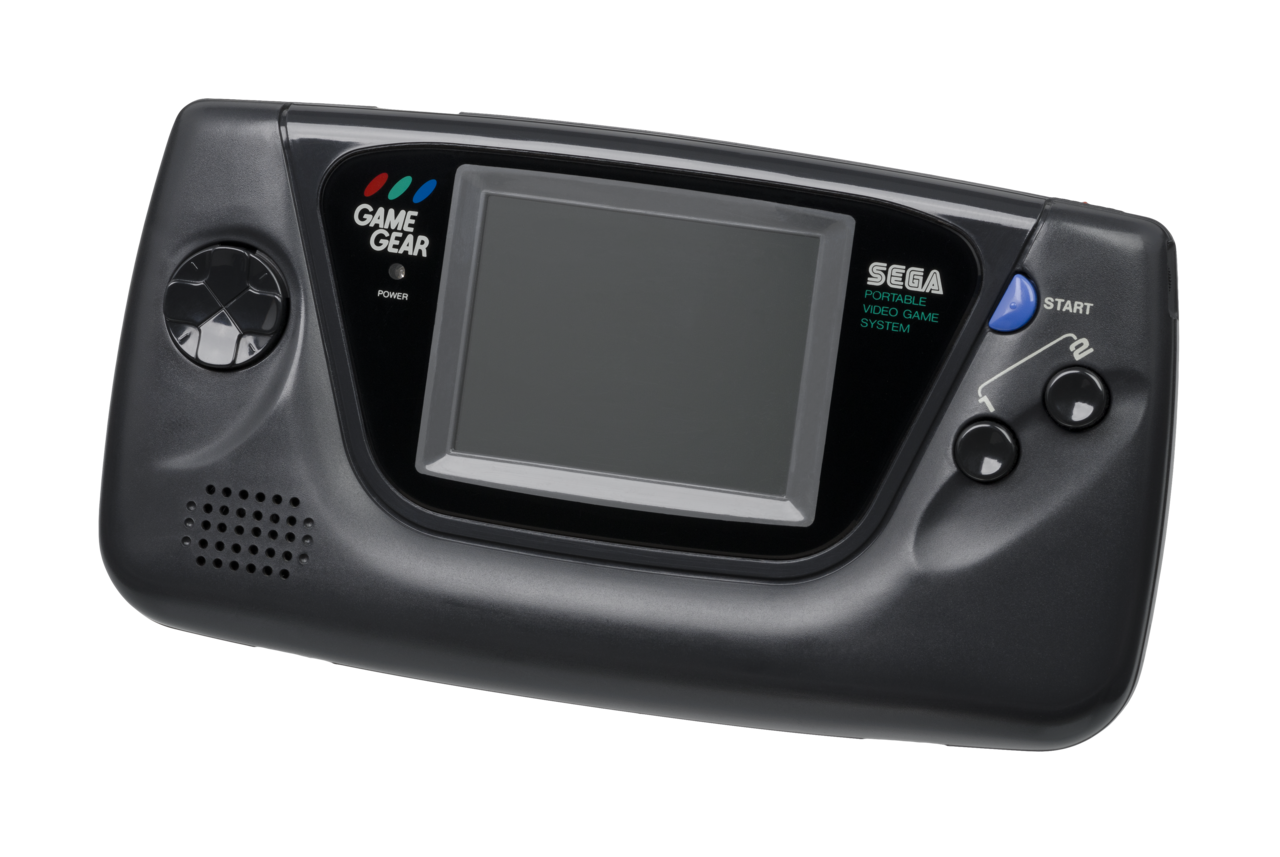
Sega Game Gear
- Manufacturer
- Sega
- Production
- 1991–1997
- Generation
- Gen 4
- Type
- Handheld
- Launch price
- $150
- Media
- Cartridge
- Units sold
- 11.0M
About Sega Game Gear
The Game Gear is a handheld game console developed and marketed by Sega. It was released in Japan on October 6, 1990, in North America and Europe in April 1991, and in Australia in 1992. The Game Gear was the first handheld console by Sega and competed with Game Boy from Nintendo, the Lynx, TurboExpress from NEC in the fourth generation of video game consoles.
Source: Wikipedia (text under CC BY-SA 4.0).
Library & collector facts
365licensed games
- North America: 277
- Japan: 196
- PAL: 209
Release timeline
- 🇯🇵 Japan
- October 6, 1990
- Lifespan
- 6 years on market
Pricing
Launch price (1991)
- 🇺🇸 USD
- $150
- 🇯🇵 JPY
- ¥19,800
- 🇬🇧 GBP
- £100
Launch titles & exclusives
Columns · Super Monaco GP · Psychic World · Revenge of Drancon (Wonder Boy) · G-LOC: Air Battle · Joe Montana Football · Pengo · Mickey Mouse: Castle of Illusion
Columns (NA launch bundle); Sonic the Hedgehog (1991 bundles onward)
Sonic the Hedgehog series (Game Gear original entries) · Shining Force: The Sword of Hajya / Final Conflict · Sylvan Tale (JP) · Defenders of Oasis · Crystal Warriors · Royal Stone (JP, sequel to Crystal Warriors) · Mortal Kombat (Game Gear version, surprisingly faithful) · Lunar series Game Gear ports (JP)
Tin Cup Golf (1996, NA) and a handful of JP releases through 1997 were among the last
Royal Stone JP CIB (~$300+); Sylvan Tale JP CIB (~$250+); Defenders of Oasis CIB (~$200+); FIFA International Soccer rare variant; Madou Monogatari A series JP
Hardware specs
- Cpu
- Zilog Z80
- Gpu
- 4,096-color palette, 32 colors on-screen
- Ram
- 8 KB RAM, 16 KB VRAM
- Power
- 6 × AA batteries (3 to 5 hours)
- Sound
- Texas Instruments SN76489, SN76489, Mono speaker, Headphone jack
- Weight
- ~400 g
- Dimensions
- 210 × 38 × 113 mm
- Display Output
- backlit LCD, 160 × 144 px
Hardware revisions
- Original Game Gear(1990)
original launch hardware
⚠ backlit color TFT (one of the first), 6 AA batteries lasting only 3–5 hours; capacitor failure in audio/power circuits is the platform's defining long-term failure (every original Game Gear basically needs a 'cap kit' to function 30+ years later)
- Majesco rerelease(1999)
budget version, identical internals
Launch colorways & special editions
- Sports Edition Tonka-distributed bundle; various JP retailer color editions (yellow, transparent, etc.); Majesco-distributed late-life rerelease (1999, NA only)
Modding scene
- Difficulty
- hard-mod
- Custom firmware
- N/A (ROM-based); flashcarts: EverDrive GG X3 / X7
Reception & legacy
Strong technically (color screen, backlight) but battery life killed momentum vs Game Boy; Sega's marketing aggressively positioned vs Game Boy's monochrome screen
Sega's marketing 'Get the picture?' campaign (Game Boy = black-and-white TV) was clever but lost to Nintendo's better battery life and software lineup; same lesson as Atari Lynx — handheld success is about battery life and games, not screen specs
Sega's most successful handheld; sold ~10.6M units (second only to Game Boy in the 8-bit handheld era); built on a modified Master System architecture making most Game Gear games available on Master System hardware via the Master Gear Converter
References
More from Sega
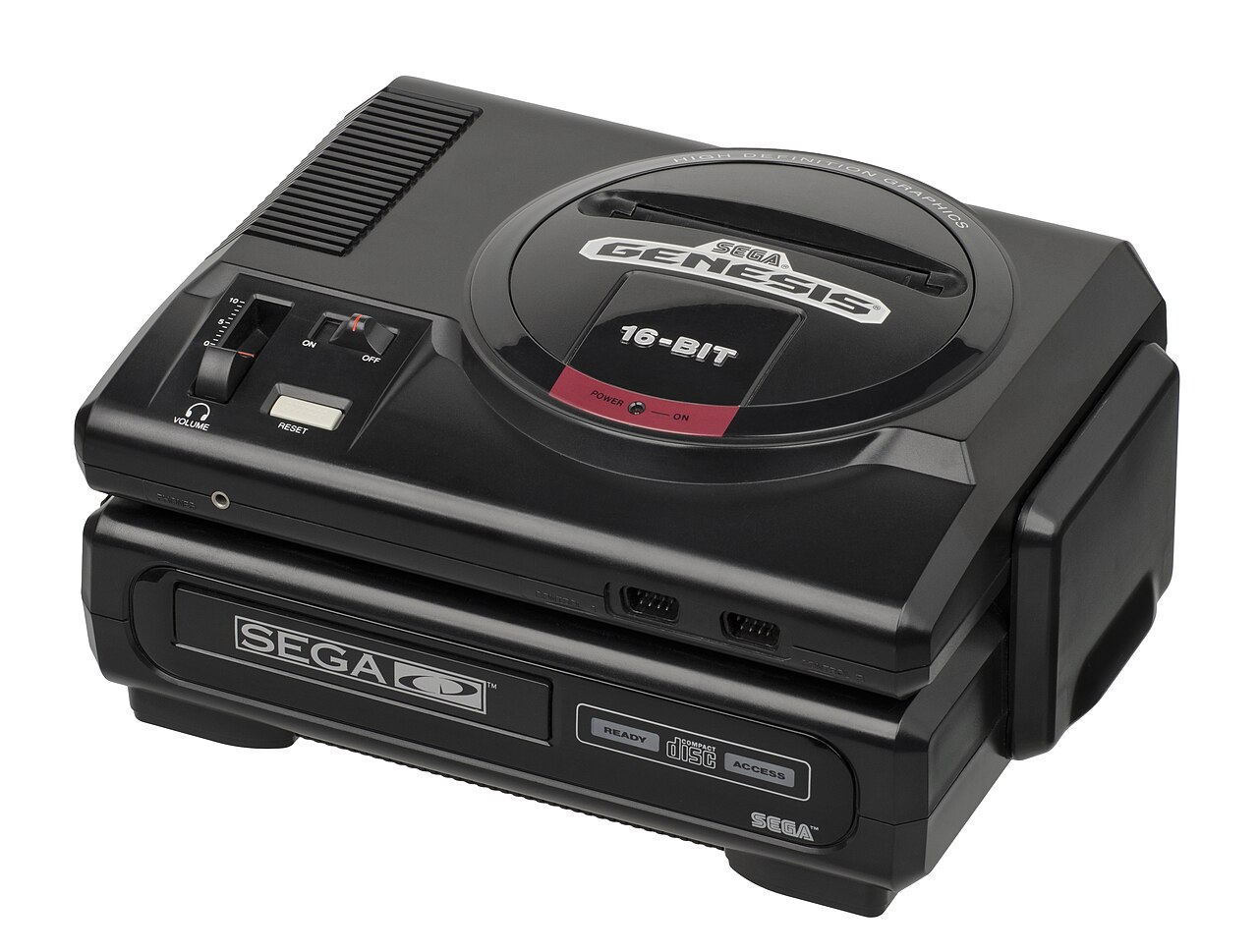
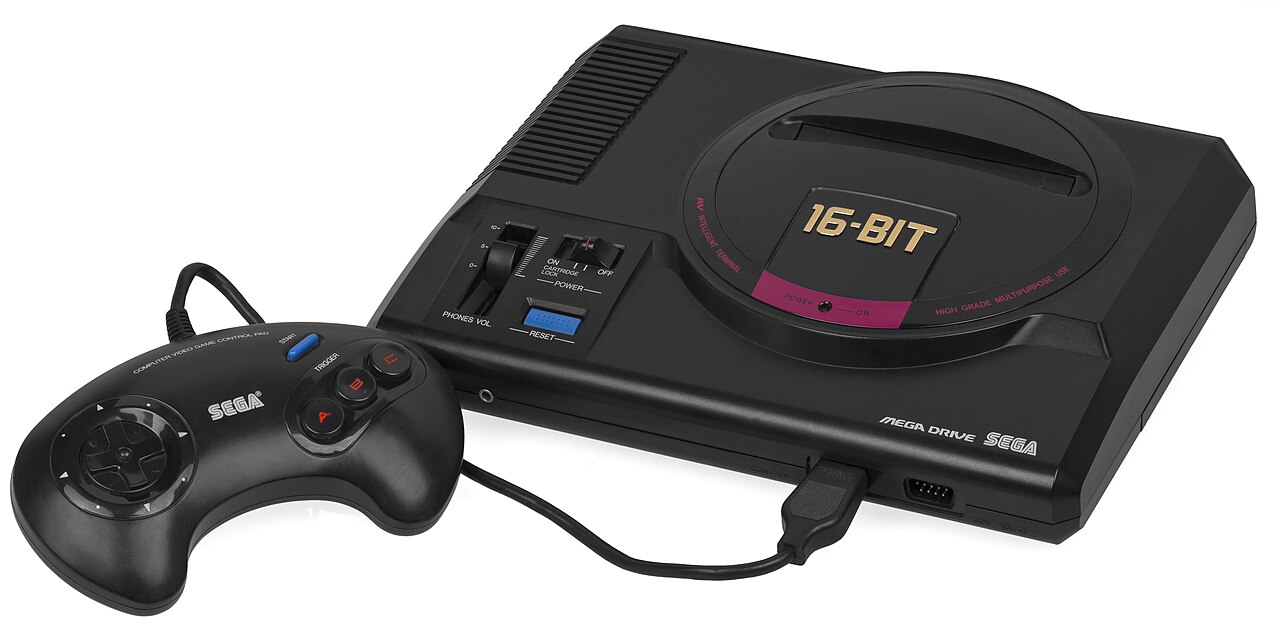
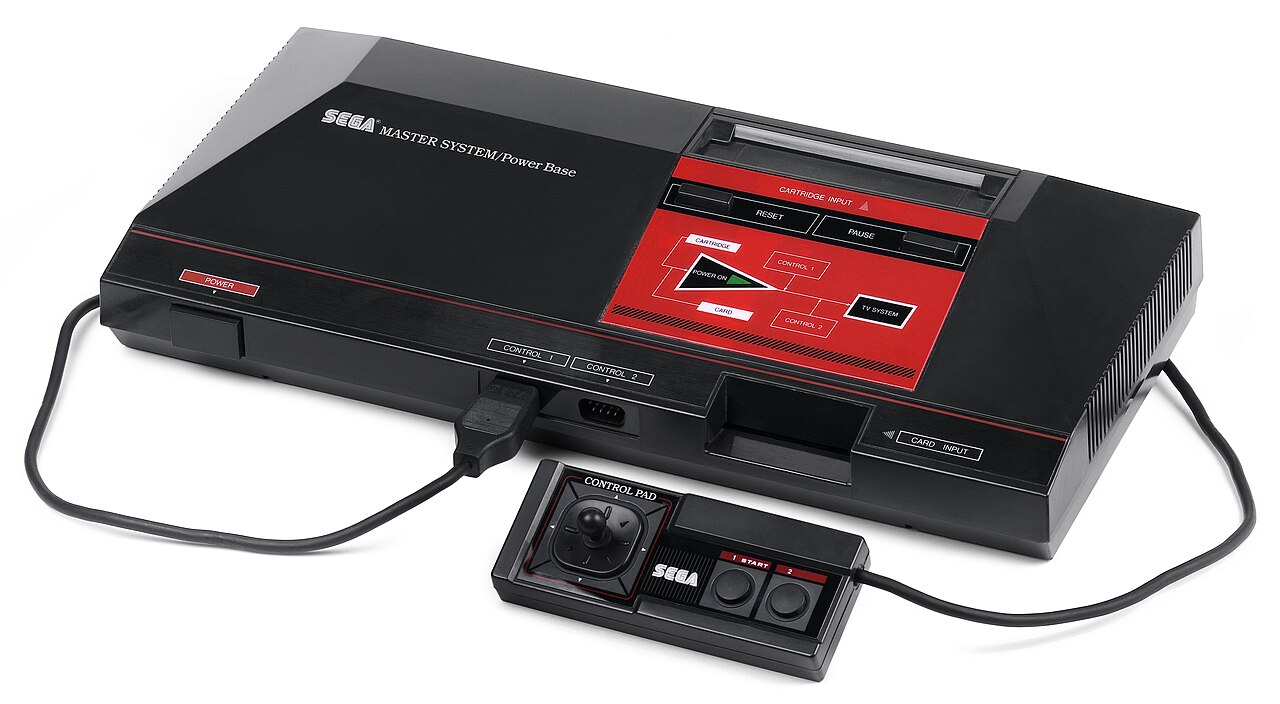
No Sega Game Gear listings yet. List yours or browse similar items.
Sega Game Gear in the news
Recent coverage mentioning the Sega Game Gear, gathered from 80+ gaming-news sources.
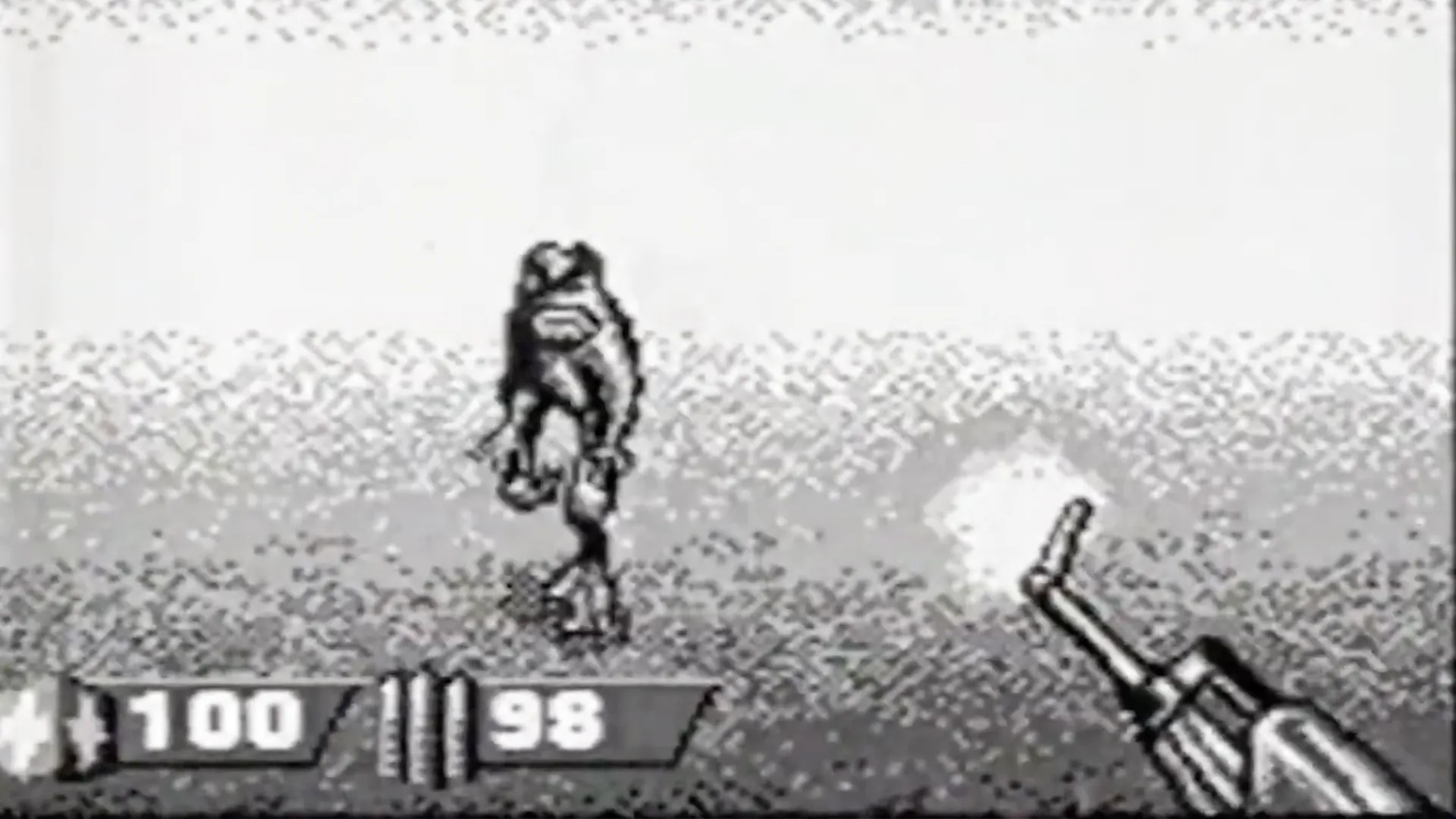
Unreleased Footage Of Turok For The Tiger Gamecom Handheld Has Been Found
The Tiger Gamecom was an unusual handheld. It launched in 1997, right in the middle of the handheld war, a war featuring Nintendo GAME BOY, SEGA Game Gear, ATARI Lynx and even the Neo Geo Pocket. It was an awesome time to be a kid, that's for sure.
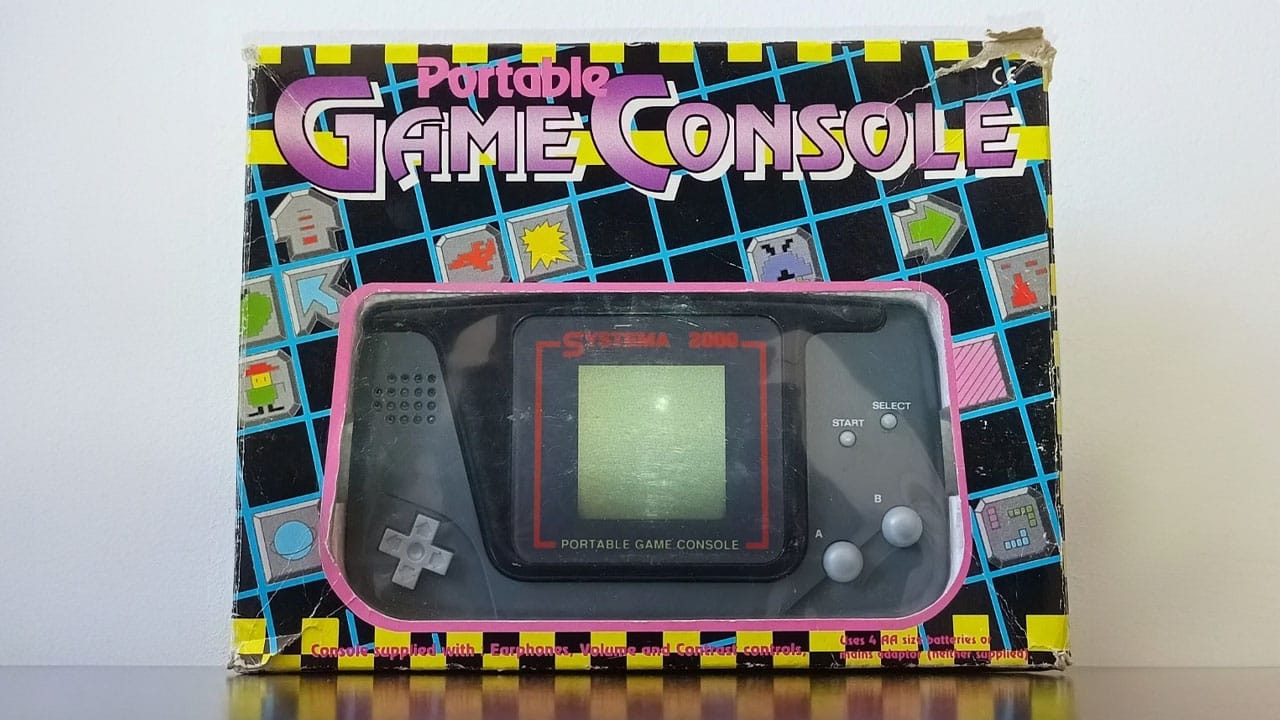
The First Fully Boxed Systema 2000 Console Is Up For Sale
🤝 Like our website? Support us as an independent publisher by tipping, joining our paid community or checking out our accessories brand GAMENOOK! Back in 1990, Hartung released the Game Master to compete with the Nintendo Game Boy and the Sega Game Gear. It's safe to say that