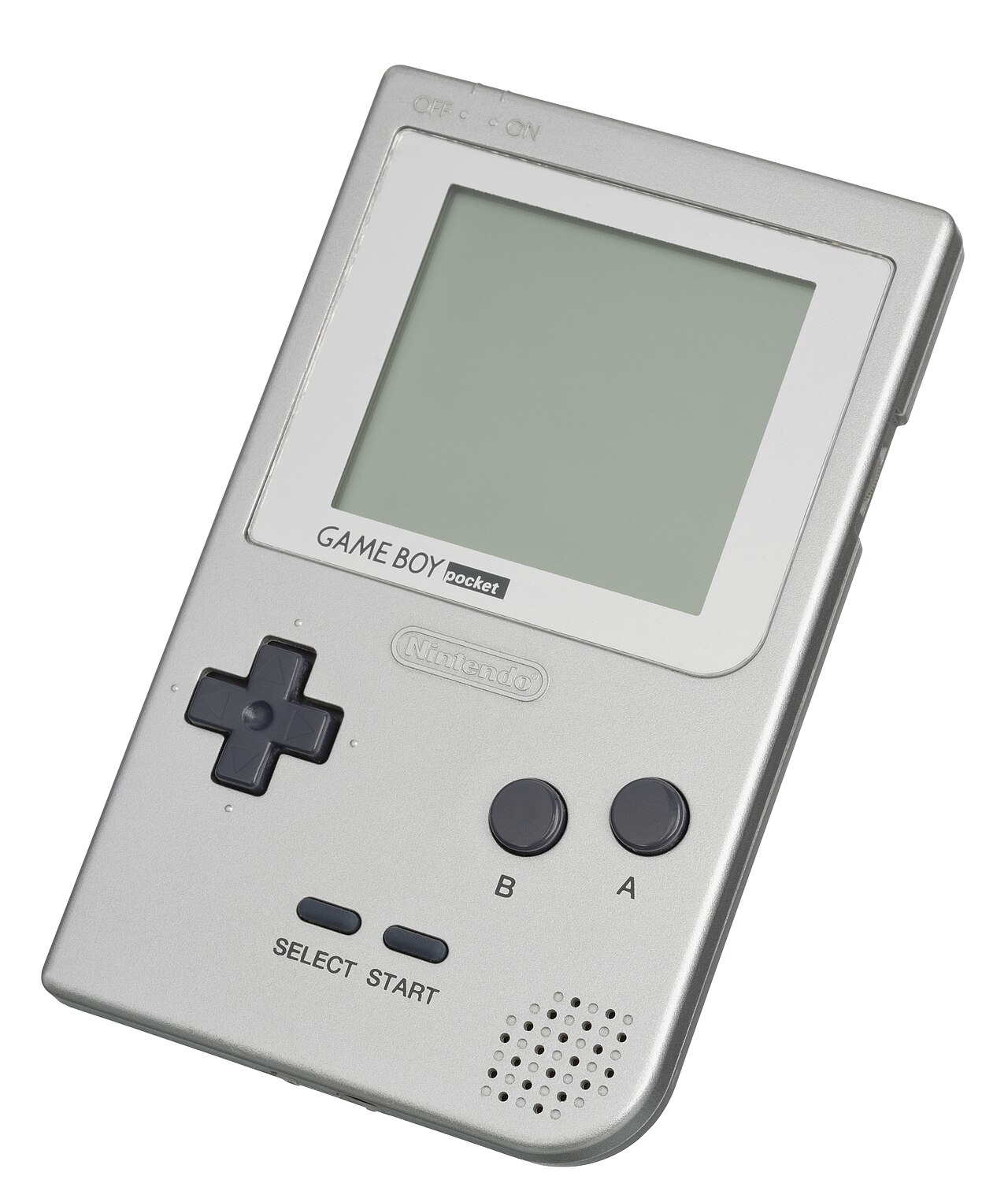
Game Boy Pocket
Variant of Game Boy
- Manufacturer
- Nintendo
- Released
- 1996
- Generation
- Gen 4
- Type
- Handheld
- Launch price
- $69
- Media
- Cartridge
- Units sold
- 118.7M
About Game Boy Pocket
The Game Boy is a handheld game console developed and marketed by Nintendo. It was released in Japan on April 21, 1989, and in North America on July 31, 1989. Nintendo's first handheld to use ROM cartridges, it succeeded the Game & Watch line of handheld electronic games and competed with Sega's Game Gear, Atari's Lynx, and NEC's TurboExpress in the fourth generation of video game consoles.
Source: Wikipedia (text under CC BY-SA 4.0).
Library & collector facts
1,057licensed games
- North America: 1,057
What's different from Game Boy
- True black-and-white LCD (vs. Original GB's greenish monochrome)
- Smaller form factor (~30% size reduction)
- Lower power draw
- External link cable port redesigned to smaller connector
- 4 AA batteries requirement — reduced to 2 AAA batteries
- screen: Reflective greenish-tint monochrome → true black-and-white reflective LCD with better contrast
- battery life: ~10-15h on 4 AAs → ~10h on 2 AAAs (less raw life but easier to carry spares)
Lineage
Pricing
Launch price (1996)
- 🇺🇸 USD
- $69
Launch titles & exclusives
Tetris · Super Mario Land · Alleyway · Baseball · Yakuman (JP launch only) · Tennis
Tetris (NA / EU launch bundle) — credited as the system-seller
Tetris · Pokemon Red / Blue / Yellow · Super Mario Land 1 & 2 · The Legend of Zelda: Link's Awakening · Metroid II: Return of Samus · Kirby's Dream Land · Wario Land · Donkey Kong (1994, the puzzle remake)
Pokemon Yellow (1998, NA) was among the last major releases; some Japan-only titles released into 1999
Hello Kitty World (JP, very limited); Spud's Adventure (NA, low print run); sealed launch DMG-01 units
Hardware specs
- Weight
- 125 g
- Dimensions
- 77.6 × 127.6 × 25.3 mm
- Cpu
- Sharp SM83
- Ram
- 8 KB RAM, 8 KB Video RAM
Hardware revisions
- Original DMG-01(1989)
launch hardware, reflective monochrome LCD, 4 AA batteries, ~10–15h life
- Game Boy Pocket MGB-001(1996)
~half the size, true black-and-white screen (vs. green-tinted DMG), 2 AAA batteries
- Game Boy Light MGB-101(1998)
JP-only, EL backlight, the only original-line Game Boy with a lit screen
Launch colorways & special editions
- Pikachu Yellow Edition (1999)
- Pokemon Center JP-only color variants
- Famitsu Magazine subscriber colors (JP)
- Tezuka Osamu Memorial limited (JP)
Modding scene
- Difficulty
- soft-mod
- Custom firmware
- N/A (no OS); flashcarts — EZ-Flash Junior, Everdrive GB X3 / X5 / X7
Reception & legacy
Skeptical reception inside Nintendo — staff feared the monochrome screen would lose against the color Atari Lynx and Sega Game Gear, but battery life proved decisive
Smaller battery compartment makes battery contact corrosion more common (less spring tension); original-spec link cable incompatibility was a frustration for trade-evolution Pokemon players
Defined handheld gaming for a decade; Yokoi's 'lateral thinking with withered technology' (cheap, proven parts) ethos shaped every later Nintendo handheld through the DS era
References
More from Nintendo
No Game Boy Pocket listings yet. List yours or browse similar items.
Game Boy Pocket in the news
Recent coverage mentioning the Game Boy Pocket, gathered from 80+ gaming-news sources.
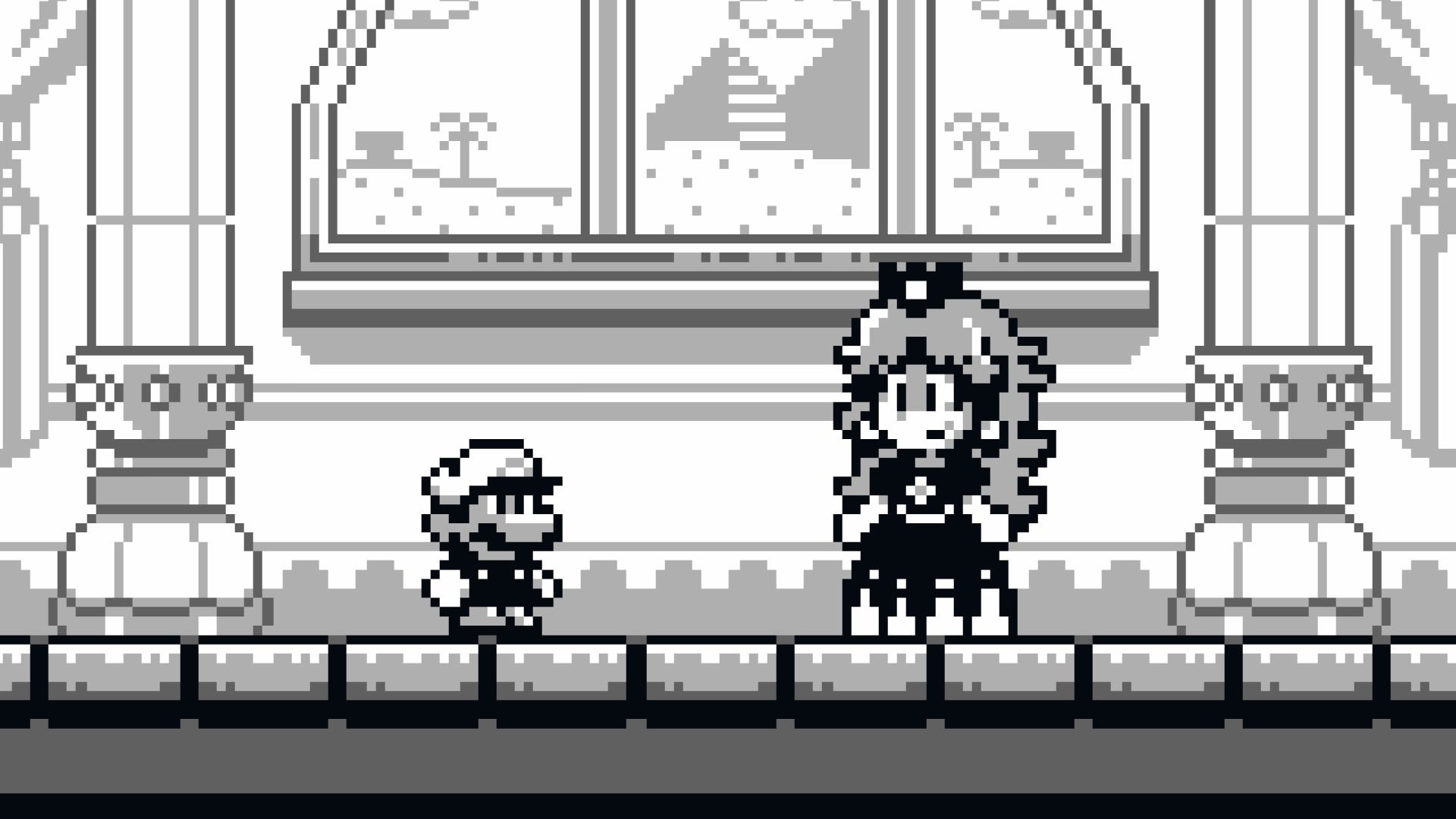
"What if Super Mario Land Came Out Much Later?" - This Short But Sweet Demo Has The Answer
Super Mario Land's opening level gets a Super Mario Land 2 makeover. Super Mario Land, still to this day, is one of my favourite Game Boy titles. In fact, I believe it was the first game I ever played on my older brother's Game Boy Pocket. Among other things, I loved that the game had a completely...
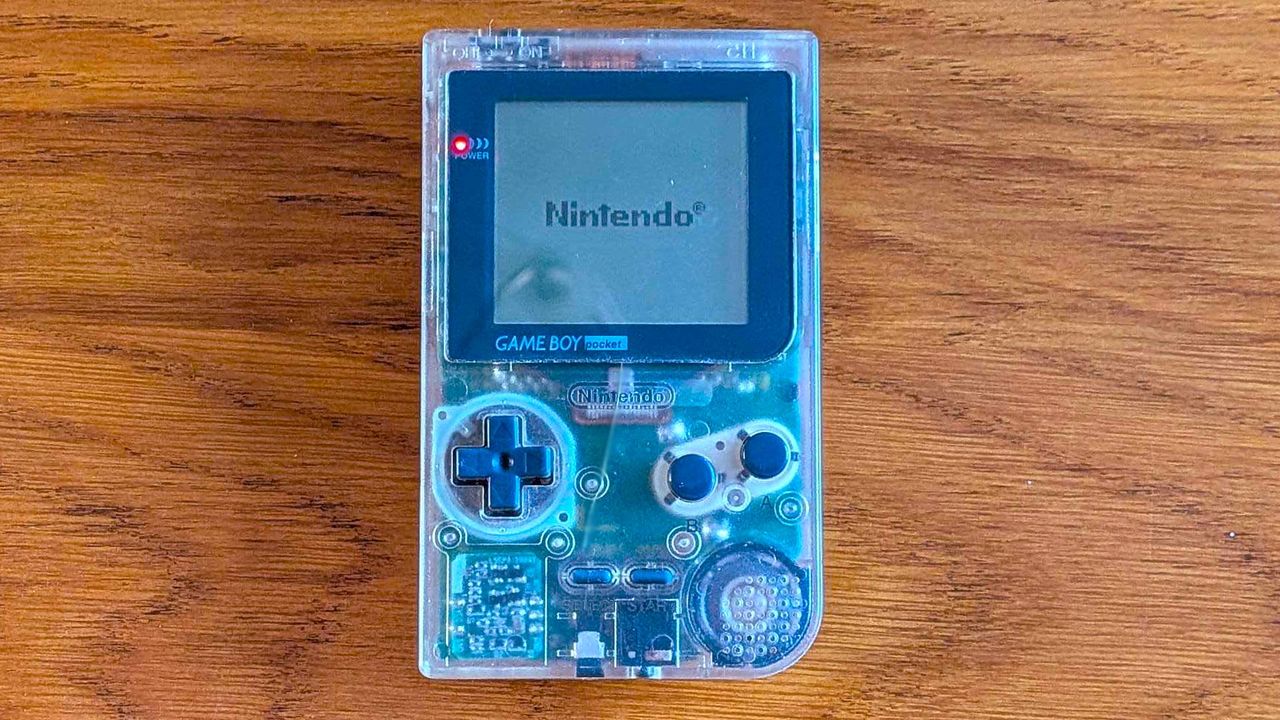
The Game Boy Pocket is now 30 years young, and I'd thank it for today's retro handhelds
The Game Boy Pocket celebrates its 30th anniversary today, and the sequel to Ninty's original handheld brick is still making an impact on the scene today.
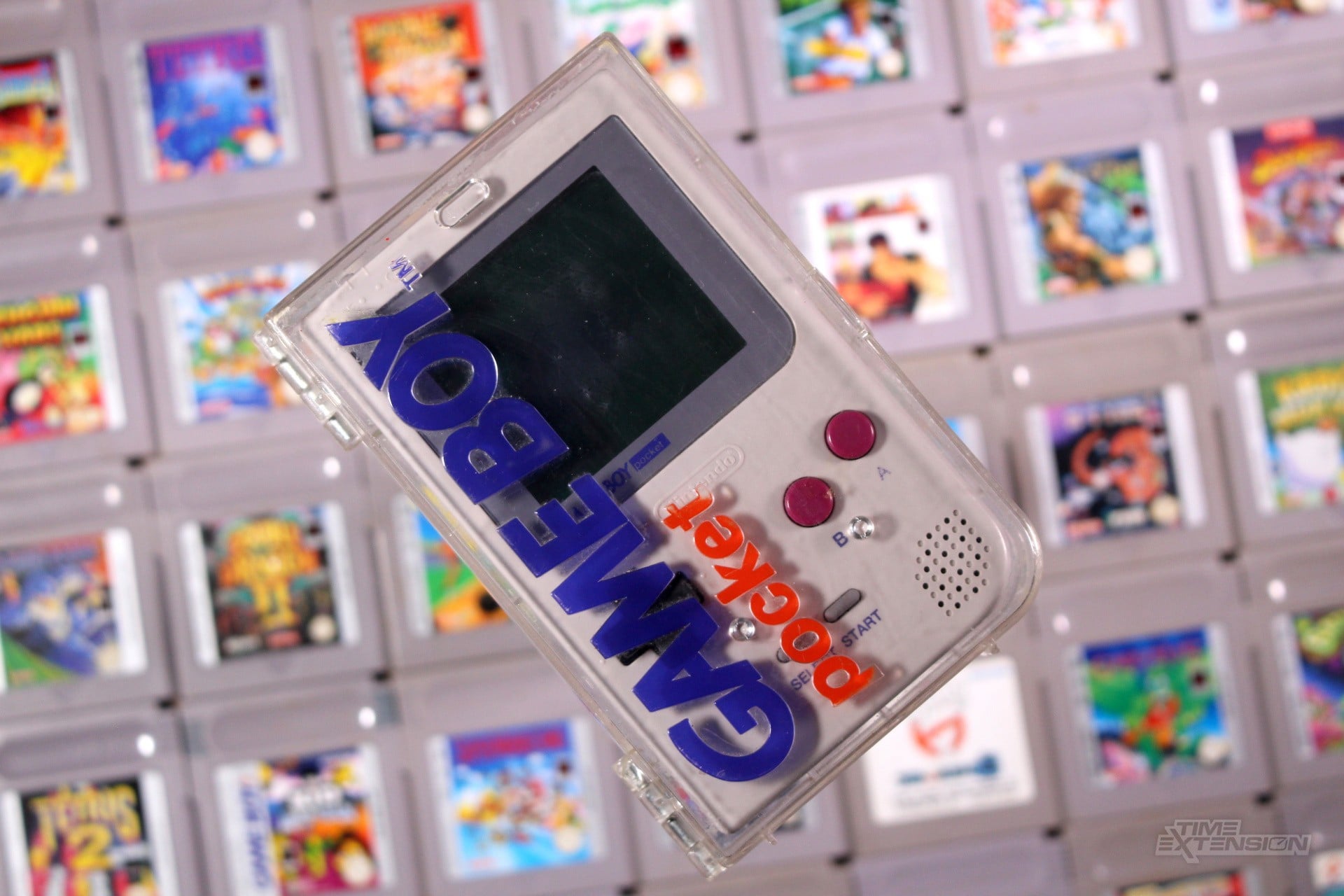
Anniversary: The Game Boy Pocket Turns 30 Today
Is that a Game Boy in your pocket? The Game Boy Pocket turns 30 today. It launched in Japan on July 21th, 1996. It would arrive in the US on September 2nd, 1996. The first revision of Nintendo's insanely successful Game Boy handheld, the Game Boy Pocket, launched months after Pocket Monster fever...