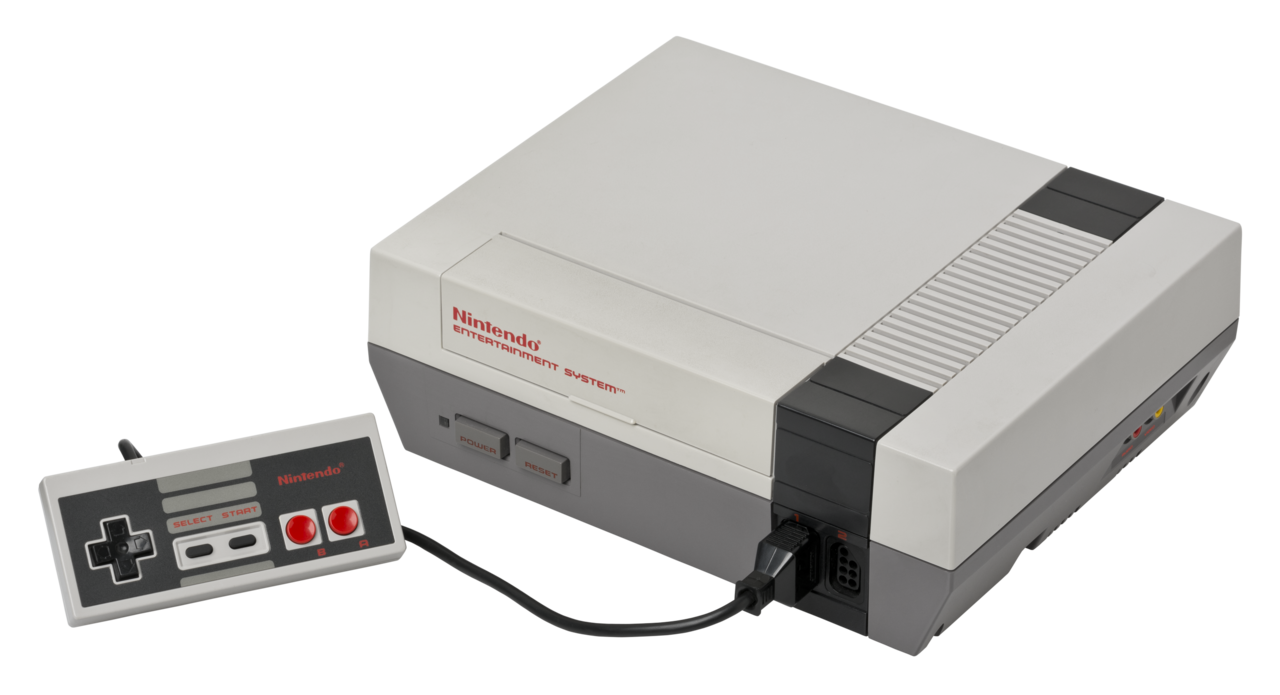
Nintendo Entertainment System
- Manufacturer
- Nintendo
- Production
- 1985–1995
- Generation
- Gen 3
- Type
- Home
- Launch price
- $179
- Media
- Cartridge
- Units sold
- 61.9M
About Nintendo Entertainment System
The Nintendo Entertainment System (NES) is a home video game console developed and marketed by Nintendo. It was released as the Family Computer (Famicom) in Japan on July 15, 1983, and as the NES in test markets in the United States on October 18, 1985, followed by a nationwide launch on September 27, 1986. The NES was distributed in Europe, Australia, and parts of Asia throughout the 1980s. It was Nintendo's first programmable home console, succeeding the Color TV-Game line of dedicated consoles, and primarily competed with Sega's Master System in the third generation of video game consoles.
Source: Wikipedia (text under CC BY-SA 4.0).
Lifetime sales
Official manufacturer-reported figures.
61.9Munits
500.0Mgames
8.1games / console
Worldwide total, includes the Famicom.
Source: Nintendo Co., Ltd. IR — Dedicated Video Game Sales Units, as of June 30, 2026.
Library & collector facts
716licensed games
- North America: 716
- PAL: 525
Lineage
Release timeline
- 🇯🇵 Japan
- July 15, 1983
- 🇺🇸 North America
- October 18, 1985
- 🇪🇺 Europe / PAL
- September 1, 1986
- Lifespan
- 10 years on market
Pricing
Launch price (1985)
- 🇺🇸 USD
- $179
- 🇯🇵 JPY
- ¥14,800
Controller
2 controller ports
Launch titles & exclusives
Super Mario Bros. · Duck Hunt · Hogan's Alley · Wild Gunman · Stack-Up · Gyromite · Excitebike · Kung Fu · Ice Climber · Clu Clu Land
Super Mario Bros. (Action Set, 1986); Gyromite + R.O.B. (Deluxe Set, 1985)
Super Mario Bros. 3 · The Legend of Zelda · Metroid · Castlevania · Mega Man 2 · Final Fantasy · Kirby's Adventure · Punch-Out!! · Contra · Tetris
Wario's Woods (1994, NA)
Stadium Events (NA NTSC, sealed examples reach $30k–$100k+)
Hardware specs
- Cpu
- Ricoh 2A03 @ 1.79 MHz, Ricoh 2A07 @ 1.66 MHz
- Gpu
- PPU (Ricoh 2C02)
- Ram
- 2 KB work RAM, 2 KB video RAM, 256 bytes sprite RAM
- Sound
- APU, 5 channels: 2 pulse wave, triangle wave, white noise, DPCM
- Weight
- ~1.3 kg (2.9 lb)
- Dimensions
- 254 × 90 × 203 mm
- Display Output
- 256 × 240 px
Hardware revisions
- Front-loader NES-001(1985)
original launch hardware
⚠ 10NES lockout chip + pin oxidation cause the infamous blinking-red-light cartridge issue
- Top-loader NES-101(1993)
final revision, lockout chip removed, RF-only video out
⚠ far more reliable but loses composite output
Launch colorways & special editions
- Sharp Twin Famicom (1986, JP)
- Sharp My Computer Famicom (1989, JP, with keyboard)
- Nintendo World Championships 1990 Gold (NA, 26 known copies)
Modding scene
- Difficulty
- soft-mod
- Custom firmware
- N/A (no firmware; ROM-based)
Reception & legacy
Cautious post-crash success — retailers wary after the 1983 video game crash, so Nintendo bundled it as an 'Entertainment System' with R.O.B. to dodge the toy-aisle stigma
10NES lockout chip blocked unlicensed third-party games and birthed the 'blow on the cartridge' myth (the real fault was oxidized connector pins); Tengen lawsuit over unauthorized cart manufacturing
Revived the North American console industry after the 1983 crash and established Nintendo as the dominant home console brand for a generation
References
More from Nintendo
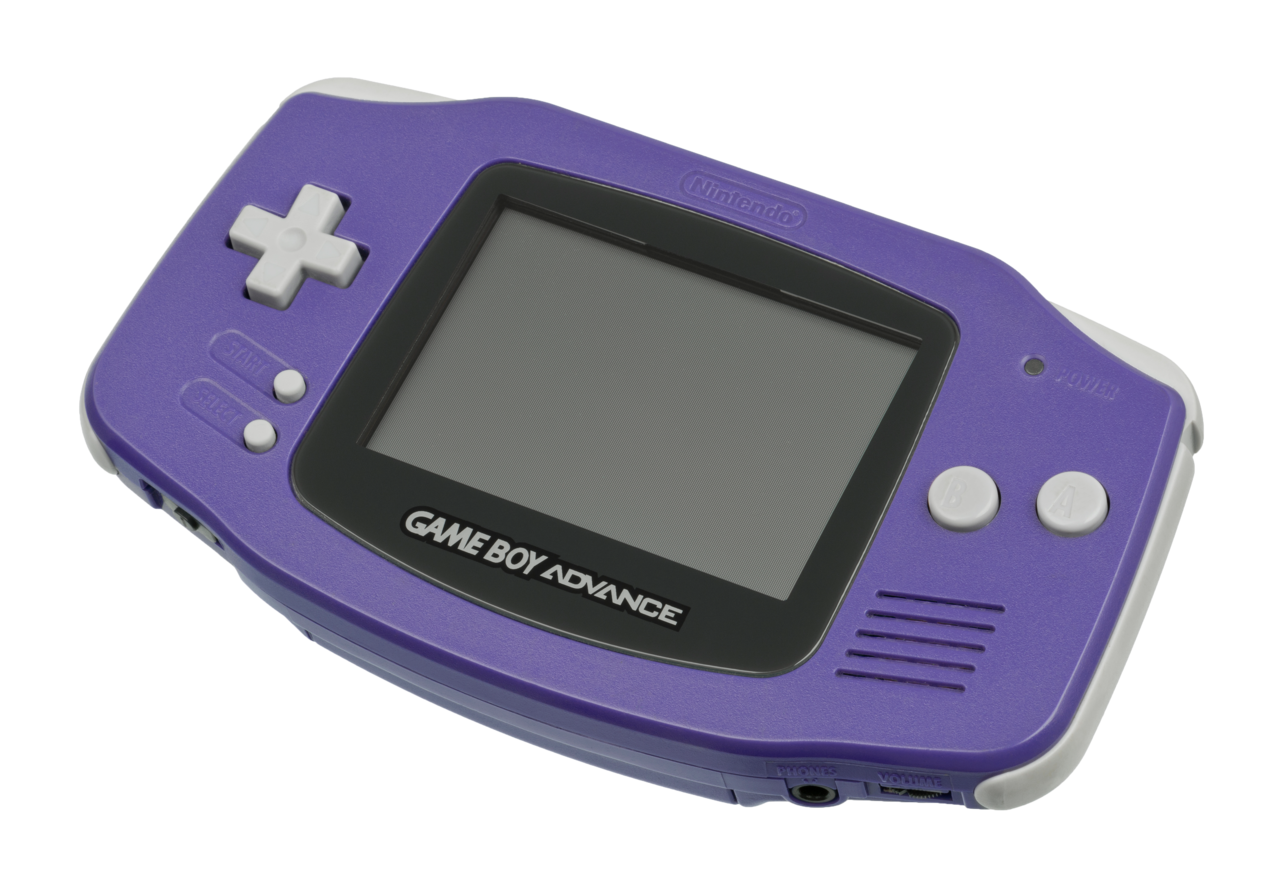
No Nintendo Entertainment System listings yet. List yours or browse similar items.
Nintendo Entertainment System in the news
Recent coverage mentioning the Nintendo Entertainment System, gathered from 80+ gaming-news sources.
10 Ways SNES Changed the World 35 Years Ago Today
It's been 35 years since the advent of the Super Nintendo Entertainment System and all the wonders it brought with it.
Near-Perfect SNES Games That Are Forgotten Masterpieces
The Super Nintendo Entertainment System has so many classics, but not every SNES masterpiece is remembered like Super Mario World.
5 NES Games That Were Impossible To Beat As A Kid
Revisiting the original Nintendo Entertainment System catalog from a modern context is probably the most nostalgic experience most of us modern gamers can go through. Thanks to the Nintendo Classics NES library for Switch Online, many gamers have had the opportunity to replay games from their...

NES Lumacode Board – US Distributor
Koala Koa is now selling C0pperdragon’s “PPU Digitizer” Lumacode mod for the original 8-bit Nintendo Entertainment System / Famicom. This mod, when combined with either OSSC or RetroTINK 4K is essentially the same as an HDMI mod, but much easier to install: Nothing needs desoldering and it can be a...

Nintendo may be retiring the Nintendo Power brand
According to a report from Nintendo World Report, Nintendo may be quietly retiring the Nintendo Power brand. The speculation comes after Boston America, the company behind the officially licensed Nintendo Power Mints, began replacing the product with the new Nintendo Entertainment System Controller...

Nintendo Possibly Ending Nintendo Power Merchandise
The last minor heartbeat of a generational icon has been phased out. Boston America, makers of the officially licensed Nintendo Power Mints, have begun to replace the item with new Nintendo Entertainment System Controller Mints. I reached out to Boston America asking why the change took place and...